

Women’s Football Leagues: Rise, Impact, and Future Opportunities
Football

Women’s Football Leagues: Rise, Impact, and Future Opportunities

Women’s football now stands as a rapidly expanding sport which achieves worldwide recognition as its most important development.Women’s leagues have achieved exceptional growth between local matches and stadiums which sell out their tickets. The evolution of this system happened through enhanced media coverage and increased financial support and international sporting events.The increase in sports participation shows how women athletes achieve their rights to equal treatment and access to opportunities which they deserve.The evolution of women’s football leagues establishes who they developed into today through their achievements and upcoming challenges which will determine their future. The Early Struggles of Women’s Football The initial period of women’s football development encountered multiple major obstacles. Most countries took measures to prevent its development and numerous nations imposed outright bans. Female athletes faced major obstacles to pursue professional athletics because of limited funding and absent training facilities.Social perceptions about women’s football established boundaries which prevented the sport from developing. The absence of support and recognition which male footballers received, created barriers which stopped women from making progress in the sport. The Changing Times of Women’s Football The turning point came when international organizations like FIFA began actively promoting women’s football. Global tournaments gained popularity, attracting millions of viewers.Media coverage grew to help fans discover the talent and competitive skills of women’s sports teams. The public perception about the project changed after this shift which created new opportunities for further development. Expansion of Women’s Professional Leagues The last ten years have seen women’s football leagues develop into more organized and professional competitions. Clubs started investing in their women’s teams by giving them superior training facilities and coaching staff and financial resources.The leagues transformed into competitive and sustainable organizations through the establishment of operational schedules and the acquisition of sponsorship agreements and broadcasting contracts. Top Women’s Football Leagues English Women’s Super League The league stands as one of its most challenging competitions which draws elite international athletes who receive backing from powerful football clubs. USA’s National Women’s Soccer League The league has established itself as a major solution for intense competition because it develops exceptional players who become world-class athletes. European Leagues Development The countries of Spain and France and Germany have established powerful national leagues which create more competitive matches and increase visibility for their football programs. Impact of Star Players The existence of star players has created a major boost in the public interest in women’s football. The athletes act as role models who motivate young girls to follow their ambitions. Through their international competitions, they established the sport’s global standing which contributed to its worldwide growth. Media, Sponsorship, and Commercial Growth Media coverage has transformed women’s leagues through its coverage. The live telecast of matches to global audiences leads to increased sponsorship deals and revenue growth for the sport. Brands are investing more in women’s football because they see its potential and its growing audience. Players use social media platforms to build direct connections with their fans which leads to higher fan engagement. Challenges Still Facing Women’s Leagues Women’s leagues have made progress, but they still deal with multiple obstacles. The pay gap between male and female players remains a significant problem. The quality of leagues depends on infrastructure and investment levels which differ between countries. Organizations need to maintain constant funding and develop long-term strategies to achieve sustainable growth. The Future of Women’s Football The future of women’s football shows great potential because better youth development programs and expanded global interest and rising financial backing will enable the sport to achieve new development stages. The upcoming growth period requires organizations to establish equality and inclusivity as foundational elements for their development plans. Conclusion Women’s football has historically faced inequality, lack of funding, and limited opportunities compared to the men’s game.Through increased investment, media coverage, and support from organizations like FIFA, women’s leagues are becoming more professional and competitive.The success of women’s football brings forth new opportunities which will inspire future generations while bringing the sport closer to achieving complete equality.

Cricket

Cricket New Era: How T20 Changed the Spirit of the Game

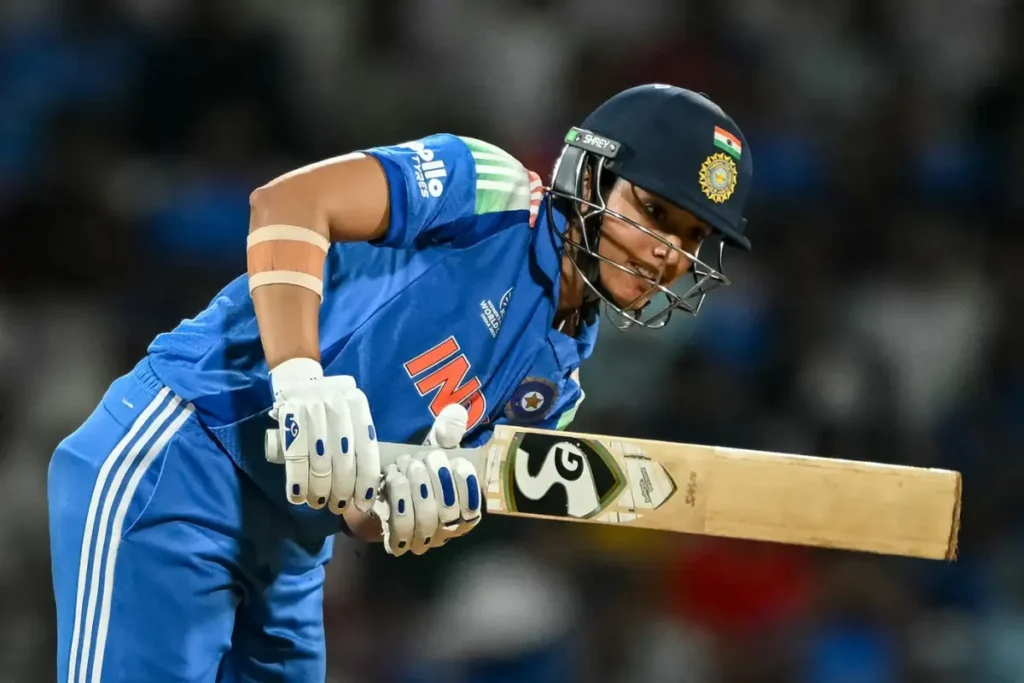
Cricket has transformed from its original form into a completely different sport today. The current match experience now delivers greater speed and sound and thrilling moments than any previous time. T20 cricket serves as the main driver behind this transformation. The short format of the game delivers entertainment value to viewers who enjoy watching quick matches. The ICC T20 World Cup brings fans together from all over the world to watch the tournament. Each match now features listeners who support their teams through massive hitting and rapid scoring followed by exciting game events. Players prefer this format because it creates more opportunities for them to demonstrate their skills and achieve success. The examination will demonstrate how T20 cricket brought about a total transformation in cricket while establishing a new cricketing period. What Is the New Era in Cricket? The new era in cricket represents a period which brings fresh playing methods to the sport. The current time period features shorter matches together with aggressive player behavior and active fan participation. T20 cricket functions as the primary driver behind this development. The ICC T20 World Cup demonstrates the current state of cricket through its rapid and exciting gameplay. Why Cricket Needed Change Cricket matches used to continue for extended periods of time during previous times. The length of Test matches extended for five days while one-day matches required multiple hours to complete. The extended duration of matches made it difficult for many viewers to watch the complete game. The younger generation desired entertainment which combined quick pacing with exciting content. The cricketing world required a format change because its current style failed to sustain fan interest. Rise of Fast-Paced Games The current situation created a demand for fast-paced T20 formats which gained widespread acceptance. The matches conclude within three hours while delivering nonstop action throughout the entire duration. Players achieve their maximum scoring through boundaries while they secure wickets at a fast pace to maintain game flow. The fast cricket format attracted international audiences who preferred rapid entertainment thus expanding the sport’s global following. What Is T20 Cricket? The T20 format represents the quickest and most condensed version of cricket which exists today. The rules were developed to create a more entertaining and viewer-friendly experience of playing the game. The teams in this format conduct their matches at a fast pace which results in. The T20 format has gained worldwide popularity because it delivers continuous exciting entertainment. The ICC T20 World Cup and other major competitions have contributed to the worldwide recognition of this cricket format. Basic Rules of T20 T20 cricket has simple rules that are easy to follow. Teams receive a specific number of overs for their batting performance. The main goal is to score more runs than the other team in a short time. 20 Overs Per Team Each team plays only 20 overs. This means they face 120 balls. The rules require players to make quick progress because the match contains fewer overs. Batsmen try to hit boundaries, and bowlers try to take wickets early. Short Match Time A T20 match usually ends in about 3 hours. The duration of this format shows a significant decrease compared to other formats. The viewers can remain engaged from beginning to end of the match without feeling bored or tired. Why T20 Is Popular T20 cricket is loved by millions of fans. The sport has transformed how people watch cricket matches. Easy to Understand The game rules are simple which enables beginners to play the game. Cricket fans can enjoy T20 matches without needing to know all the details about the sport. This T20 format makes it easy for new fans to start watching cricket matches. Fun for All Ages T20 cricket provides thrilling experiences for all viewers. Kids enjoy the big hits which adults watch because of the rapid action. The combination of action and energy plus entertaining elements creates enjoyment for people of different age groups. How T20 Changed the Way Cricket Is Played T20 cricket has brought about a total transformation in cricket match execution. Players used to prioritize slow and careful play during previous times. The current game setup offers players fast-paced action which creates more thrilling experiences. Players need to develop their capacity to make instant judgments and execute fast movements. T20 cricket demands teams to maximize their score through rapid run accumulation and wicket-taking because every delivery carries crucial value. More Aggressive Batting Batting styles have undergone their most significant evolution through the development of aggressive batting. In T20 matches, batsmen begin their offensive strategy from their first batting delivery. Focus on Big Shots Batsmen now try to hit big shots like fours and sixes. The players combine their power and skill to hit the ball beyond the stadium boundaries. This development leads to increased excitement for the audience during the match. Faster Run Scoring In T20 matches, players must prioritize fast run scoring as their main objective. Players aim to get a high score in a short time. The match outcome changes when teams score beyond their expected run total. New Bowling Techniques T20 has introduced new bowling methods which require bowlers to develop their skills beyond speed and spin. Use of Yorkers and Slower Balls Bowlers use yorkers to stop batsmen from hitting big shots. They also use slower balls to confuse the batsman. These techniques establish control over the runs which bowlers need to maintain. Smart Bowling Plans Bowlers plan each ball carefully. They study the batsman and decide where to bowl. Proper planning enables them to achieve wickets while reducing their runs. Better Fielding Skills T20 cricket has increased the significance of fielding which has become even more crucial than before. Quick Movement on the Field Fielders must be very fast. They run quickly, dive to stop the ball, and throw accurately. Every second counts in T20. Importance of Saving Runs Saving runs is just as important as scoring runs. A good stop or a quick throw can change

Football

The Evolution of Modern Football: How the Game Has Changed

Football, famously known as “the beautiful game,” captivates billions of fans across the globe with its passion, drama, and unpredictability. The sport originally known as football developed into a worldwide competitive sport through its transition from basic unorganized play. The game of football experienced major transformations during different periods because of changing cultural elements and new technological discoveries and improved tactical methods. Advanced analytics combined with superior athletes and international competitions changed football by creating a new way to satisfy contemporary viewers while preserving the sport’s original thrill. The evolution of football from its basic beginnings to a billion-dollar business controlled by FIFA demonstrates the sport’s special qualities that still motivate people throughout the world today. The Origin of Football Football has its origins in ancient civilizations but the modern game began to develop in England during the 19th century. The formal establishment of rules by schools and clubs initiated organized competitions between teams. The first football matches showed disorganized play because players used direct physical contact without implementing any strategic approaches.European nations adopted football as their national sport because standardized rules and official football associations emerged as governing bodies. The period established the fundamental principles which evolved into the contemporary structured game with its established rules. Football in the Early 20th Century The early 1900s saw football as a game which required only basic skills. Teams used simple formation patterns because players relied on their physical strength more than their technical abilities. The sport gained international recognition through its first international competitions which increased worldwide interest and competitive spirit. The Rise of Tactical Systems The WM formation became the first major tactical development because it introduced improved defensive structures and better midfield control. Managers developed the understanding that strategic planning held equal value to the performance of individual players which initiated the tactical development process in football. Post-War Football and Global Expansion (1950s–1970s) The post-World War II period brought about a rapid expansion of football as a sport. Teams began to compete against each other from different continents because travel and communication technologies had advanced. The time period produced legendary players who increased the sport’s worldwide popularity through their careers including Pelé. Total Football Revolution The 1970s introduced one of the most influential tactical philosophies: Total Football. The Netherlands established this system under Johan Cruyff who promoted its core elements of free player movement and positional exchange and technical skill development. Players needed to handle different tasks which resulted in a gameplay style that became more complex and less predictable. The Modernization Era (1980s–1990s) Football reached a critical stage during the late 20th century when it began to embrace commercial activities. The sport gained international popularity through television contracts which allowed millions of viewers to watch matches from their homes. Players reached higher fitness standards through their participation in demanding training and conditioning sessions. The 4-4-2 formation became the most used tactical system because it provided teams with equal power for both defense and attack. The Impact of Media and Sponsorship The establishment of the English Premier League in 1992 brought about a fundamental change in club football. It became a highly profitable industry through giant sponsorship agreements and worldwide broadcasting rights which brought in exceptional players from every corner of the globe. The Technological Revolution (2000s–Present) The 21st century has seen technology reshape football in unprecedented ways. The introduction of Video Assistant Referee (VAR) and goal-line technology innovations has enhanced officiating accuracy. The current team strategy creation process relies on data analytics as its essential component. Coaches use detailed statistics to analyze opponents, optimize player performance, and make informed decisions. The Role of VAR and Goal-Line Technology VAR has received both positive and negative evaluations from people. The technology minimizes human mistakes but people continue to argue about its impact on soccer match progression. The development serves as a major advancement for football because it introduces fair judgment and transparent operations. The Changing Role of Players Modern footballers are no longer confined to specific roles. Players must demonstrate versatility by mastering technical skills and tactical knowledge and maintaining physical fitness. The evolution of footballers reaches its peak through the achievements of Lionel Messi and Cristiano Ronaldo. They refuse to accept the title of goal scorers because they function as complete athletes who control every game component. Physical and Mental Evolution The process of physical and mental development has occurred throughout history. The advancements in sports science enable players to achieve better performance results while extending their active career durations. The modern football game relies on nutritional methods and recovery processes and psychological training as vital elements. Mental resilience has reached equal importance with physical ability in current assessments. Football as a Global Industry Football has developed into a worldwide business operation. Clubs use sponsorship deals together with merchandise sales and broadcasting rights to generate their financial income. The FIFA World Cup together with other major tournaments shows that football has global appeal because it draws more than a billion viewers to its matches.Social media has expanded football’s audience by enabling fans to connect with players and teams at any time. It has become the most popular sport in the world because global connectivity enables people from different cultures to experience the game together. The Future of Football Football will keep developing through its upcoming years. Artificial intelligence together with advanced analytics will improve player development while refining tactical strategies. Sustainability initiatives together with inclusivity efforts have become essential priorities to guarantee that maintains both environmental sustainability and universal access.Football will enter its next phase after technology and innovation combine to create new methods for people to play, watch, and experience the game. Conclusion Modern games needs to address three major issues which include excessive commercialization, severe stress on players and technological disputes that damage the game’s fundamental nature. Football can keep its genuine character through established traditions while adopting modern advances which include fair officiating systems and better player protection and FIFA-based organizational governance methods. Football will

Contact Details

© 2023 The Sports Sphere

Scroll to Top